
Ferrari’s Electric Gamble: Decoding the ‘Magic Number’ for High-End EV Success
The automotive landscape is shifting, and while legacy manufacturers are pumping the brakes on electrification, Maranello is doubling down. As an industry veteran who has watched the transition from naturally aspirated V12s to hybridized powerhouses, I find Ferrari’s trajectory particularly fascinating. Despite cooling demand for premium electric vehicles (EVs) globally, Ferrari is proceeding with the development of its first true electric supercar—a machine internally referred to as “Luce.”

The pivot toward high-performance electric propulsion is fraught with skepticism. However, industry analysis suggests that the Prancing Horse is not merely following a trend, but rather targeting a specific, data-driven threshold to ensure the project remains an economic triumph.
The Profitability Paradox of Luxury EVs
For years, the industry narrative centered on the promise of the EV revolution. However, the reality of 2025 and 2026 has been sobering. Producing an electric supercar is an engineering nightmare that consumes massive capital. We’ve seen major players struggle as operating profits vanish, largely because the cost of battery technology and the immense R&D required for electric torque-vectoring systems often exceed the margins expected in the ultra-luxury segment.
Look at the broader market: established German competitors have faced significant profit erosion. Operating margins are under pressure, and the transition cost has been higher than forecasted. Ferrari, however, enjoys a unique position. As the most profitable luxury brand in existence, their ability to maintain margin discipline is their greatest asset. But even for a brand with Ferrari’s pricing power, the “magic number” remains the vital key to success.
Identifying the Magic Number: Why 500 to 1,000 Matters
According to insights shared by RBC Capital analyst Tom Narayan, Ferrari isn’t looking to dominate the mass market. They aren’t interested in the high-volume, low-margin games played by generalist automakers. Instead, there is a specific, quantifiable target they need to hit to ensure the electric supercar remains financially viable without diluting the brand’s exclusivity.
That magic number? 500 to 1,000 units per year.
For many, this figure might seem modest, even conservative. But in the world of ultra-luxury performance, it is a masterstroke. By capping production within this window, Ferrari achieves several strategic objectives:
Exclusivity Maintenance: Keeping the annual delivery volume at 500–1,000 units ensures that ownership remains an elite experience, preventing the “commodity” effect often associated with more accessible EVs.
Operational Efficiency: This volume allows Ferrari to scale production in a controlled manner, bypassing the “production hell” that has plagued other electric vehicle manufacturers.
Market Penetration: By targeting this specific niche, they effectively capture the early-adopter segment—those wealthy collectors who demand cutting-edge technology but refuse to compromise on the badge or the driving dynamics.
Can Ferrari Successfully Electrify the Soul?
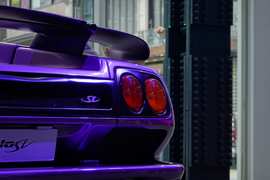
The “untold problem” with modern high-end EVs is often the lack of character—a concern that resonates deeply with long-time tifosi. Yet, history has shown that Ferrari is a master of adaptation. When they transitioned to turbocharging and eventually to hybrid systems like the SF90 Stradale, skeptics predicted a loss of spirit. In every instance, the engineering team in Maranello proved the critics wrong.
The upcoming electric supercar is rumored to leverage proprietary battery cooling and chassis integration techniques that will allow the car to maintain its lightweight profile—a critical component of the “Ferrari feel.” While competitors are slowing their electrification timelines, Ferrari’s commitment suggests they have high confidence in their ability to translate their brand DNA into a silent, yet blisteringly fast, electric powertrain.
The Competitive Landscape and Market Dynamics
While the market for luxury EVs is currently experiencing a period of adjustment, it is important to separate mass-market sentiment from the hyper-luxury sector. High-end buyers are less price-sensitive and more focused on brand prestige and technological innovation. Even as global demand for cheaper EVs fluctuates, the appetite for high-performance exotics remains relatively insulated.
Ferrari’s strategy is clear: focus on the “magic number,” maintain high average selling prices (ASPs), and leverage the scarcity of the product to drive demand. By limiting the volume to 500–1,000 units, Ferrari effectively de-risks the project. They aren’t trying to capture 20% of the market; they are trying to capture 100% of their most loyal, tech-forward clients.
Future-Proofing the Maranello Legacy
The transition to electricity is not just about environmental compliance; it is about future-proofing the business for a new generation of collectors who define performance through instant torque and software-defined handling. As we move deeper into 2026, the question is no longer whether Ferrari will succeed, but how quickly they can scale the production of this new platform without sacrificing the craftsmanship that defines a Ferrari.
The “magic number” provides a clear roadmap. If they can maintain their margins while delivering a product that offers a distinct emotional connection—one that satisfies the demand for 500 to 1,000 units annually—they will likely set the gold standard for how a traditional supercar manufacturer survives and thrives in the electric age.
Final Thoughts: What This Means for You
The automotive industry is in the midst of a historic transformation, and brands that adapt with precision—rather than panic—will lead the charge. Ferrari’s calculated approach to electric vehicle production demonstrates a deep understanding of their client base and market positioning.
As we anticipate the official unveiling of their electric supercar, one thing is certain: those lucky enough to secure a production slot within that target of 500 to 1,000 units per year will be holding a piece of history. Whether you are an investor monitoring automotive stocks or an enthusiast tracking the latest supercar releases, keeping a close eye on these production figures will be the best way to predict the success of Ferrari’s electrification journey.

Are you prepared for the next era of high-performance driving? Stay ahead of the latest industry developments and exclusive supercar insights by following our ongoing analysis of Maranello’s shift toward the future. Reach out today to join our inner circle of automotive experts and get the latest updates on the most significant, ground-breaking vehicle launches of the year.