
The Magic Threshold: Ferrari’s Strategy for Electric Supercar Success
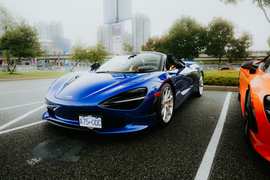
The automotive landscape is shifting, and while legacy manufacturers are hitting the brakes on their aggressive electrification roadmaps, Ferrari is doubling down. As the world watches, Maranello remains committed to unveiling its debut electric supercar. In an industry where major players are reporting profit margins slashed by the sheer cost of battery integration and cooling infrastructure, Ferrari’s gamble seems counterintuitive. However, for those of us who have spent a decade analyzing market fluctuations and automotive luxury trends, the strategy isn’t just about survival—it’s about precision.
According to RBC Capital analyst Tom Narayan, Ferrari’s transition into the electric vehicle (EV) segment isn’t a shot in the dark. It is calculated around a specific “magic number.” To understand why Ferrari is charging forward while others retreat, we have to look past the surface-level hype and delve into the economics of high-end performance manufacturing.
The Profitability Paradox of High-End EVs
The primary reason legacy brands are struggling with electrification is the profit gap. Creating an EV isn’t just about swapping an internal combustion engine for an electric motor; it involves a total overhaul of the manufacturing line and significant R&D expenditures. We have seen Porsche’s operating profit plummet in recent cycles—a stark reminder that volume doesn’t always translate to financial health. When you factor in global tariffs and the cooling demand for high-end EVs in markets like China, the math becomes even more unforgiving.
Ferrari, however, holds a unique advantage: the brand’s inherent “scarcity premium.” As the most profitable luxury marque on the planet, Ferrari doesn’t rely on mass-market volume. Its business model thrives on demand outstripping supply, ensuring that every vehicle leaving the factory line carries a robust profit margin. The challenge, therefore, isn’t necessarily hitting a massive sales target, but rather maintaining that exclusivity while pivoting to electric propulsion.
Finding the Magic Number
So, what is the “magic number” that defines success for the upcoming Ferrari electric supercar? Industry analysts and financial experts suggest that Ferrari needs to move between 500 to 1,000 units per year to achieve long-term financial viability.
While that might seem modest compared to the production goals of mainstream EV manufacturers, it is a masterclass in market positioning. By aiming for this specific output, Ferrari accomplishes three critical things:
Brand Integrity: It keeps the vehicles rare, ensuring that Ferrari owners feel they are buying a piece of automotive art, not a mass-produced consumer appliance.
Operational Scalability: Producing 500 to 1,000 units allows for a controlled production ramp-up, minimizing the risk of supply chain bottlenecks or the massive capital expenditure (CapEx) issues that have plagued other high-end manufacturers.
Consumer Adoption: It allows Ferrari to test the waters with their most loyal clientele—those who prioritize performance and brand heritage over range or charging speed.

For many in the industry, the fear has been that EVs in the luxury sector might suffer from rapid depreciation. However, when you limit production to a small, controlled batch, you effectively stabilize the secondary market. This approach protects the brand’s equity while successfully penetrating a new technological frontier.
Why Rival Automakers are Struggling with Demand
The reality is that demand for high-end EVs has hit a plateau across much of the luxury segment. CEOs from major performance brands are increasingly vocal about the challenges of converting traditional enthusiasts to electric powertrains. The “soul” of a Ferrari has always been its engine note and the visceral nature of the combustion process.
However, Ferrari is banking on the idea that its brand power is stronger than the powertrain itself. If the company can deliver a vehicle that maintains the handling dynamics, the aesthetic allure, and the build quality that defined its legendary gas-powered models, the transition will be perceived as an evolution rather than a compromise.
The Financial Health of the Luxury EV Segment
For investors and enthusiasts alike, the core question remains: can high-performance EVs be profitable? The answer lies in the price point. With electric supercars often pushing into the $300,000+ range, manufacturers have enough buffer to absorb the higher costs of lithium-ion technology and sophisticated power electronics. The issue for many legacy brands wasn’t that they couldn’t build an EV; it was that they couldn’t build them efficiently enough to justify the price versus production cost ratio.
Ferrari’s approach of limiting the volume is, in many ways, the only logical path forward. By ignoring the race to become a high-volume EV producer, Ferrari is protecting its margins and its reputation. In 2025 and beyond, the luxury sector will be defined by those who can provide electrification without diluting the brand’s prestige.
Looking Ahead: The Future of Ferrari
As we move closer to the official reveal of the electric supercar, the spotlight remains on whether Ferrari can strike that perfect balance between innovation and tradition. The “magic number” isn’t just a financial target—it’s a safeguard. It represents a commitment to maintaining the Ferrari standard in an electrified era.
If you are an investor monitoring automotive trends or a collector waiting to see how the landscape evolves, it is time to look at the finer details of how these manufacturers are adjusting their portfolios. The shift to electric power is inevitable, but how a company manages that transition—by carefully controlling volume and maintaining exclusivity—will determine the winners of the next decade.

Are you prepared for the next generation of performance vehicles? Keep your finger on the pulse of the automotive world by subscribing to our updates, and be the first to know as Ferrari redefines the supercar for the modern age. Reach out to our team today for the latest industry insights and analysis on upcoming market shifts.