The Strategic Math Behind Ferrari’s Electric Supercar Ambitions
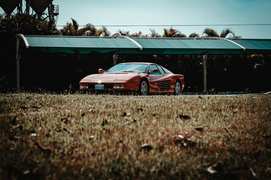
In the high-stakes arena of automotive manufacturing, Ferrari has long occupied the apex. While legacy automakers and luxury rivals alike are currently pumping the brakes on their aggressive electrification mandates, Maranello remains committed to its path. As the industry grapples with the transition to battery-electric vehicles (BEVs), Ferrari’s upcoming electric supercar—internally referred to as the “Luce”—represents a bold bet on the brand’s enduring prestige. However, achieving success in this volatile market requires more than just legendary engineering; it requires hitting a specific, calculated “magic number” to ensure long-term viability.
For the past decade, I have observed the ebb and flow of the luxury automotive sector, and we are currently witnessing a fascinating paradigm shift. While mainstream electric vehicle adoption is rising, the luxury segment is hitting a plateau of sorts. High-end buyers are increasingly discerning, and the “EV fatigue” affecting brands like Porsche is a warning sign that the Ferrari electric supercar must be handled with surgical precision.
The Profitability Paradox of High-End EVs
The primary hurdle for any legacy manufacturer transitioning to electric platforms is the inherent profitability gap. Simply put, EVs are notoriously expensive to produce, often leading to razor-thin margins—or worse, net losses—on every unit delivered. Porsche serves as a cautionary tale: the company saw a staggering 99% collapse in operating profits during the first three quarters of 2025, a drop from €4 billion to a mere €40 million. While external factors like Chinese market volatility and complex tariff structures played a role, the capital-intensive nature of retooling production lines for EVs was the dominant driver.
Ferrari, holding the title of the world’s most profitable luxury brand, faces the challenge of maintaining its stellar EBITDA margins while venturing into the unproven territory of electric hyper-performance. Unlike mass-market manufacturers that rely on volume, Ferrari’s business model is built on exclusivity and scarcity. The question is whether they can replicate this in the age of the electric drivetrain without diluting the visceral connection that defines the “Ferrari experience.”
The Magic Number for Success
According to Tom Narayan, an esteemed analyst at RBC Capital, there is a clear roadmap for how Ferrari can navigate this transition. During recent discussions regarding the sector’s health, Narayan emphasized that Ferrari’s decision to proceed with its electric supercar is likely based on a very conservative, yet achievable, sales target.
“I don’t know if they know how strong demand will be,” Narayan noted. “But as long as they can get 500 to 1,000 people per year to buy an electric supercar from Ferrari, which doesn’t seem like that Herculean of a task, it makes sense they can penetrate that segment of the market.”
This specific window of 500 to 1,000 units annually is the magic number. By targeting this niche volume, Ferrari avoids the trap of overproduction that has plagued other manufacturers. It keeps the product within the realm of the “ultra-exclusive,” protecting the brand’s residual value and ensuring that the demand curve consistently outstrips supply. This volume strategy is the cornerstone of their success; by treating the electric supercar not as a mass-market play, but as a limited-edition masterwork, they can manage costs effectively while maintaining the high-margin profile expected by shareholders.
Market Realities and the EV Landscape
Industry leaders, including the likes of Mate Rimac and Lamborghini’s Stephan Winkelmann, have been vocal about the softening demand for high-performance electric vehicles. The market for six-figure supercars is sensitive to shifts in interest rates, geopolitical instability, and evolving consumer sentiment. However, Ferrari possesses a distinct advantage: its loyalist base.
When you purchase a Ferrari, you aren’t just buying a vehicle; you are buying into a historical legacy. If the engineering team in Maranello can capture the soul of a V12—the acceleration profile, the handling dynamics, and the “theatricality” of the drive—within the framework of an electric supercar, they will easily secure those 500 to 1,000 annual buyers.
The success of this project won’t be measured by how many EVs they sell compared to Tesla or other EV manufacturers. Instead, it will be measured by their ability to keep the Ferrari electric supercar as the ultimate status symbol in the garage of the ultra-high-net-worth individual.
Why Quality Trumps Quantity in 2025
As we move deeper into 2025, the automotive world is learning that aggressive scaling is not always the best path for premium brands. We see this with the recent friction surrounding the Tesla Cybertruck—where a surge in demand for the $59,990 entry-level model led to backlogs stretching into 2027 and customer frustration regarding policy changes. Mass-market manufacturers often struggle with the “delivery expectation vs. reality” gap.
Ferrari avoids this by operating in a different sphere. They don’t need a hundred thousand orders; they need a handful of the right ones. By maintaining a controlled production cycle and focusing on bespoke customization, Ferrari ensures that the transition to the electric supercar doesn’t jeopardize their standing as the most profitable name in the industry.
Final Thoughts: The Road Ahead
The electrification of the supercar is inevitable, but the way a brand navigates that transition defines its survival. Ferrari is positioning itself not by chasing market share, but by chasing the perfect balance of performance and profit. By aiming for that critical volume of 500 to 1,000 units, they are setting themselves up to dominate the electric performance sector with the same dominance they have held in the internal combustion world for decades.
As an expert who has spent years tracking these shifts, I believe Ferrari’s measured approach is the textbook way to handle a disruptive technological leap. They aren’t trying to change the world; they are trying to lead the future of luxury.

Are you looking to stay ahead of the curve on the latest developments in luxury automotive engineering and hypercar technology? Join our community today to get the most exclusive insights and analysis delivered directly to your inbox. Let’s explore the future of high-performance together.