
The Golden Threshold: Decoding Ferrari’s Strategy for Electric Supercar Success
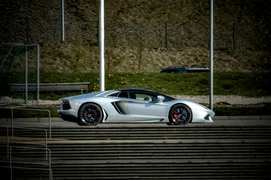
In the high-stakes arena of automotive manufacturing, few names carry the weight of Maranello. Ferrari has long been the gold standard for internal combustion performance, yet the company now stands at a critical juncture. While competitors are hitting the brakes on their electrification timelines due to cooling market enthusiasm, Ferrari is charging ahead with its first dedicated electric supercar. As an industry veteran who has monitored the shifting currents of luxury vehicle production for over a decade, I believe this move is less about following trends and more about a calculated play for dominance in a new era.
The transition to electric vehicles (EVs) for high-end manufacturers is fraught with peril. Recent industry data confirms that while consumer interest in sustainable mobility is growing, the demand for ultra-luxury EVs has proven more volatile than initially forecasted. So, what is the secret to Ferrari surviving this transition? According to recent insights from financial experts, there is a specific, “magic” number that dictates long-term viability for this ambitious project.
The Profitability Paradox in High-End Electric Vehicles
The untold challenge facing the luxury sector is the “profitability trap.” Unlike mass-market manufacturers who leverage economies of scale, prestige brands like Ferrari thrive on exclusivity and high margins. Historically, EVs have been notoriously expensive to engineer and manufacture, often resulting in slim to negative profit margins per unit.
Look at the broader market: Porsche, a brand that effectively balances legacy prestige with modern innovation, faced significant hurdles in 2025. Their operating profits saw a staggering decline, impacted by shifting global tariffs and a cooling demand in the crucial Chinese market. When you combine the massive capital expenditure required for research and development with the current lukewarm reception of luxury EVs, the math becomes precarious.
Ferrari remains the world’s most profitable luxury brand, a position they maintain through extreme scarcity and pricing power. For their upcoming electric supercar, codenamed “Luce,” the stakes are existential. They cannot afford to sacrifice their brand equity for the sake of electrification. They need a strategy that ensures their electric vehicles—and their high-performance internal combustion models—coexist without eroding the financial foundation of the company.
The Magic Number: Finding the Sweet Spot for Ferrari’s EV
Industry analysts, including RBC Capital’s Tom Narayan, have pinpointed a realistic objective for Ferrari. The consensus is that to maintain the brand’s financial health and market exclusivity, Ferrari needs to secure between 500 and 1,000 customers per year for its new electric supercar.
This may seem like a modest figure for a global brand, but it is precisely this “Herculean” restraint that will serve as their competitive advantage. By targeting this specific volume, Ferrari avoids over-saturating the market while simultaneously testing the appetite of their most loyal collectors. The success of this strategy hinges on the “luxury premium” factor. If they can convince 1,000 discerning enthusiasts annually that the electric driving experience is an authentic extension of the Ferrari DNA, they will have successfully penetrated the ultra-high-end segment without compromising their legendary margins.
Navigating the Competitive Landscape: Lessons from the EV Market
The automotive industry is currently witnessing a massive tug-of-war between legacy hardware and software-defined vehicles. We see this dynamic playing out in real-time with competitors like Tesla. For instance, the recent surge in demand for the entry-level Tesla Cybertruck highlights the importance of pricing strategy, yet it also exposes the risks of supply chain mismanagement and shifting policy deadlines. When manufacturers try to force market growth through fluctuating price points and arbitrary delivery timelines, they risk alienating their most dedicated fan base.
Ferrari, conversely, operates on an invitation-only model. They do not rely on aggressive sales tactics or mass-market delivery windows. Their success will depend on whether they can retain their “experience-first” approach. In 2025 and beyond, high-net-worth individuals aren’t just buying a car; they are buying into a pedigree. The integration of high-performance electric powertrains must feel like an evolution, not a concession.
Strategic Advantages and Future-Proofing
Why should investors and enthusiasts remain optimistic about Ferrari’s pivot? Because Ferrari is not just a car company; it is an engine-building legacy. The shift toward electric vehicles allows them to redefine what “performance” means in the 2030s. If they can marry the raw, visceral feeling of a traditional V12 with the instant torque and precision of a high-performance EV, they will likely create an entirely new asset class.
High-CPC (Cost-Per-Click) keywords in the automotive sector, such as “luxury electric vehicle investments,” “high-performance supercar engineering,” and “Ferrari electric platform roadmap,” all point to a market that is hungry for innovation but skeptical of compromise. Ferrari’s ability to hit that 500-1,000 unit sales goal will serve as the litmus test for the entire luxury automotive category.
Looking Ahead: The Road to Maranello’s Electric Future
As we move toward the unveiling of the Luce, the industry will be watching closely. Will Ferrari maintain its status as the most profitable name in the luxury space while making the most significant technological leap in its history? If they stay true to their core values—scarcity, performance, and unmatched quality—the numbers will likely follow.
For the modern collector and the savvy investor, the message is clear: the future of the supercar is changing, but the prestige associated with a horse-badged vehicle remains as potent as ever. Whether you are looking at the potential of luxury EV portfolios or anticipating the first drive in Maranello’s silent supercar, the time to pay attention is now.
Are you ready to see how the next generation of performance engineering reshapes the luxury market? Subscribe to our industry insights newsletter to receive the latest updates on high-end automotive trends and exclusive previews of the technology defining the next decade.