

The Ferrari EV Strategy: Decoding the Magic Number for Electric Supercar Success
In the rapidly shifting landscape of automotive engineering, few decisions carry as much weight as Ferrari’s push toward electrification. While legacy competitors are pumping the brakes on their battery-electric vehicle (BEV) programs due to cooling market enthusiasm, the Prancing Horse is charging ahead. As an industry analyst who has monitored the luxury automotive sector for over a decade, I’ve watched Ferrari navigate the delicate balance between performance legacy and inevitable transition. The question remains: can the storied Italian marque maintain its legendary profit margins while embracing the plug-in future?
The Profitability Paradigm Shift
The automotive world is currently grappling with a harsh reality: EVs are, by and large, a drag on short-term profitability. We’ve seen this play out in real-time with peers like Porsche, which faced significant headwinds in 2025 as operating margins compressed under the weight of R&D costs and shifting consumer demand. Producing a high-performance EV that satisfies the soul of a Maranello enthusiast is an expensive endeavor.
When we talk about the Ferrari EV strategy, we aren’t just talking about carbon fiber and speed; we are talking about maintaining the highest profit-per-unit ratio in the industry. The “magic number” circulating in elite financial circles isn’t a horsepower figure—it’s a sales volume target that ensures the company remains as lucrative as its V12-powered predecessors.
The Magic Number: A Path to Viability
RBC Capital analyst Tom Narayan recently highlighted a compelling metric for the upcoming electric Ferrari. The consensus suggests that if Ferrari can secure 500 to 1,000 units per year for its first major electric supercar—the project internally referred to as “Luce”—it will likely hit the sweet spot for financial success.
Is this target achievable? For a brand that thrives on exclusivity, 1,000 units is a drop in the bucket of total global production. However, in the realm of high-end electric performance, it is a significant commitment. Unlike mass-market EVs, where manufacturers scramble to cut production costs to break even, Ferrari’s pricing power allows it to absorb the higher overhead of battery technology. The Ferrari EV will likely serve as a halo product, commanding a premium that justifies its existence while satisfying the stringent regulatory frameworks of 2026 and beyond.
Why Ferrari Might Succeed Where Others Stall
Market volatility in the electric vehicle segment is undeniable. We see this with the Tesla Cybertruck demand spikes, which often come with a rollercoaster of customer sentiment and delivery logistics. Legacy automakers are struggling because they are trying to scale down from mass-market production to luxury, often losing their brand identity in the process.
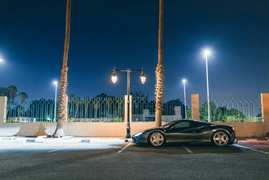
Ferrari, conversely, is scaling up from boutique craftsmanship. Their advantage lies in “Brand Equity,” a high-CPC factor that allows them to maintain stable residuals even in uncertain markets. By aiming for that 500-to-1,000-unit threshold, Ferrari is signaling that they are not chasing volume; they are chasing perfection. This is a critical distinction that distinguishes a true luxury icon from a standard automotive manufacturer.
Understanding the Luxury EV Market Dynamics
The luxury automotive sector is currently experiencing a paradox. While the broader EV market sees price wars and demand plateaus, the ultra-luxury tier remains somewhat insulated. Consumers at this level are not looking for a “green” appliance; they are looking for the next evolution of a driving machine.
If we examine the current luxury electric vehicles market, the primary challenge is not engineering—it is emotional resonance. Can an electric motor provide the visceral thrill of a naturally aspirated V12? If anyone can solve that riddle, it’s the team in Maranello. Their success will depend on how they integrate sensory feedback—sound, vibration, and chassis response—into the electric drivetrain.
Strategic Takeaways for the Future
For investors and enthusiasts alike, the Ferrari EV journey is a litmus test for the entire high-performance industry. If Ferrari can achieve its target volumes without diluting the brand’s exclusivity, it will provide a blueprint for how other luxury manufacturers can survive the post-combustion era.
High-performance brands are realizing that the “magic number” isn’t about being the biggest, but about being the most desired. As we look toward the next five years of automotive innovation, Ferrari’s ability to maintain high margins through limited, high-value production will be the standard by which all other luxury electric performance vehicles are measured.
The Road Ahead
We are witnessing a pivotal moment in history. The transition to electric power is no longer a question of “if,” but “how.” Ferrari has chosen a path of calculated exclusivity, betting that their core demographic will embrace the future if the performance criteria are met.
Whether you are an investor monitoring the automotive luxury sector or a collector awaiting the next piece of automotive art, the coming months will be defining. The industry is changing, and Ferrari is ensuring that when they arrive at the starting line of the electric age, they arrive in their own, unmatched style.
Are you ready to see how the next generation of performance engineering will reshape your garage? Stay informed on the latest developments in elite automotive technology by subscribing to our updates and following our deep-dive analysis on the future of supercar performance. Reach out to our team of experts today to discuss how these shifts impact your high-end vehicle portfolio.