
The Ferrari Electric Supercar: Unlocking the Profitability Code in a Volatile EV Market
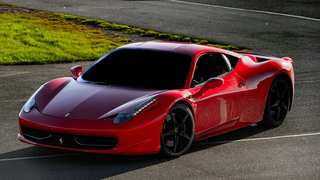
The automotive landscape is undergoing a tectonic shift, and few manufacturers find themselves in as precarious—yet promising—a position as Ferrari. While industry heavyweights are pumping the brakes on electrification, opting to refine internal combustion engines or pivot toward hybrids, the Maranello-based icon is charging ahead. The upcoming launch of the Ferrari electric supercar, internally referred to as the “Luce,” represents a bold departure from decades of V8 and V12 supremacy. But as an analyst who has tracked the luxury automotive sector for over a decade, I can tell you that the engineering challenge is secondary to the financial one.
For Ferrari, success in the luxury electric vehicle (EV) segment isn’t just about performance metrics or zero-to-sixty times; it is entirely defined by a singular, elusive metric: the “magic number.”
The Profitability Gap: Why Legacy Automakers Are Struggling
To understand why the automotive world is watching Ferrari so closely, we must first address the elephant in the room: the structural unprofitability of most electric vehicles. Historically, “legacy” automakers—the giants of Detroit, Germany, and Japan—have struggled to pivot their massive manufacturing facilities toward high-voltage architectures without cannibalizing their own margins.
Look at the case of Porsche in 2025. The brand faced a staggering 99% collapse in operating profit over the first three quarters, falling from €4 billion to a mere €40 million. While macroeconomic headwinds, fluctuating tariffs, and a softening Chinese market contributed to this downturn, the primary culprit remains the extreme cost of battery integration and specialized EV manufacturing. When you scale production up, margins tend to evaporate under the weight of R&D costs and specialized tooling.
Ferrari, however, operates on a different plane of existence. As the most profitable luxury brand on the planet, they hold a unique leverage: pricing power. They don’t sell cars to the masses; they sell exclusivity. But even for a company with such high margins, the shift to an electric supercar presents a massive hurdle. Can a Ferrari EV maintain the same bottom-line health as its combustion-engine siblings, or will it become a drag on the company’s legendary balance sheet?
The Magic Number for Ferrari Success
In recent discussions with industry observers and financial experts like Tom Narayan of RBC Capital, the narrative regarding the Ferrari electric supercar has shifted from “can they build it?” to “can they sell enough to break even?”
According to Narayan, there is a specific, actionable target Ferrari must hit to ensure the project isn’t merely a vanity exercise. The consensus suggests that if Ferrari can secure a consistent demand of 500 to 1,000 units per year, the program becomes not just viable, but a catalyst for sustained growth.
This target might sound modest given the total production volume of mass-market brands, but for an ultra-luxury marque, it is significant. It represents a controlled entry into the segment. By aiming for this specific volume, Ferrari avoids the “volume trap”—the mistake of overproducing cars that dilutes the brand’s exclusivity and forces them to slash prices, which is a death sentence for high-end residual values.
If Ferrari can hit that 500-to-1,000-unit threshold, they prove a critical hypothesis: the luxury consumer is not necessarily anti-EV; they are simply anti-commodity.

Navigating the High-End EV Market Sentiment
We are currently seeing a cooling of interest in the luxury EV space. Leaders like Mate Rimac and Lamborghini’s CEO, Stephan Winkelmann, have been vocal about the plateauing demand for high-performance electric vehicles. The novelty of the “electric instant-torque” experience is waning, and buyers are beginning to scrutinize the longevity and deprecation rates of these high-tech machines.
Electric vehicles, in the current market, suffer from rapid value depreciation. When you combine that with the high cost of production and the unpredictable regulatory landscape, it is easy to see why cautious CEOs are hitting the brakes. Ferrari, however, is banking on its brand halo. If there is any company that can command a premium price for an electric vehicle while maintaining a high resale value, it is Ferrari.
The strategy behind the “Luce” is likely focused on scarcity. By keeping production aligned with that “magic number,” they maintain the secondary market demand that keeps the brand’s reputation pristine. They aren’t trying to displace Tesla; they are trying to redefine what it means to drive an electric car in the upper echelons of society.
Lessons from the Broader EV Landscape
We can look at the recent volatility surrounding the Tesla Cybertruck as a cautionary tale in demand management. Tesla, a master of scaling, found itself overwhelmed when it introduced a lower-priced, more accessible variant of its futuristic pickup. What happened? Demand spiked, but delivery timelines stretched into 2027, and the sudden shift in policy regarding Full Self-Driving (FSD) transfers alienated a portion of their core loyalist base.
When you manage expectations poorly—or when you prioritize aggressive volume over the customer experience—the backlash is swift. Ferrari is inherently shielded from this through their allocation system. They choose their buyers, not the other way around. This controlled ecosystem is exactly why the “magic number” of 500 to 1,000 units is the key to their EV success. They aren’t trying to fill a parking lot; they are trying to curate a legacy.
The Future of High-Performance Driving
As we move toward 2026 and beyond, the definition of a “supercar” will evolve. It will likely encompass a hybrid of synthetic fuels, advanced battery density, and ultra-lightweight chassis materials. The Ferrari electric supercar will be the litmus test for whether the world’s most discerning drivers are ready to embrace the electric future.
If they hit their target, they won’t just be selling cars; they will be setting the standard for the next generation of performance. For investors and enthusiasts alike, the “magic number” represents more than just a sales goal—it represents the survival of the supercar brand in an electrified world.
Ferrari is taking a calculated risk, but in the world of high-performance automotive engineering, those who dare to define the future are the ones who usually end up leading it.

Are you ready to stay ahead of the latest shifts in the automotive market? Subscribe to our industry updates today for exclusive insights into the future of luxury performance, or contact our consultancy team to learn how these market trends impact your investment strategies.