
The Ferrari Electric Supercar Strategy: Decoding the Magic Number for Market Success
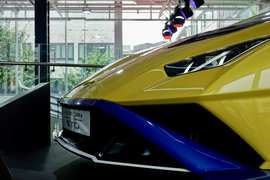
In the high-octane world of Maranello, change is usually measured in milliseconds on a racetrack. However, as we approach the mid-2020s, Ferrari is preparing for the most significant shift in its storied history: the launch of its first full-production electric supercar. While rivals across the automotive spectrum are slamming on the brakes regarding their electric vehicle (EV) ambitions, the Prancing Horse is charging ahead. As an industry veteran who has spent the last decade analyzing luxury automotive trends and market volatility, I find the narrative surrounding Ferrari’s EV strategy both fascinating and strategically sound.
The automotive sector is currently grappling with a sobering reality: the transition to electrification is proving far more complex—and expensive—than initially forecasted. But for a brand like Ferrari, the “magic number” required to make this transition a success isn’t about volume; it is about precision.
The Financial Realities of High-End Electrification
The conversation around electric vehicles in 2025 has shifted from “can it be done?” to “is it profitable?” For years, the industry mantra was that EVs were the future of mobility. Yet, recent data suggests that high-end electric luxury vehicles are facing a cooling demand. Porsche, a benchmark for high-performance engineering, experienced a turbulent 2025, with operating profits reflecting the heavy capital expenditure required to transition manufacturing facilities to handle battery-electric architectures.
When we talk about high-performance luxury, the profit margins are typically generous. However, the cost of R&D for proprietary battery cooling systems, electric drivetrains, and weight-distribution software for an electric supercar is astronomical. Unlike mass-market EVs, where scale drives down the cost per unit, Ferrari operates in a niche where the exclusivity of the product justifies the cost.
Determining the ‘Magic Number’ for Success
According to industry analysts like Tom Narayan of RBC Capital, there is a specific, actionable goal for Ferrari’s upcoming electric supercar—internally referred to as “Luce.” The goal is not to flood the streets with thousands of units, but rather to secure a dedicated base of 500 to 1,000 buyers per year.
This target is the “magic number” that makes the financial model for an electric Ferrari viable. From an investment standpoint, this volume is relatively modest compared to mass-market legacy automakers. By maintaining this level of production, Ferrari preserves its brand scarcity, manages the immense costs of the electric powertrain, and ensures that the “Ferrari experience” is not diluted by over-supply.
For potential investors and luxury automotive collectors, this controlled production represents a hedge against depreciation. In the world of high-performance EVs, value retention is the ultimate litmus test. If Ferrari can successfully capture that annual cohort of 500 to 1,000 buyers, they effectively insulate the model from the volatility seen in the broader EV market.
Why Ferrari’s Electric Supercar Will Defy the Trend

While other automakers struggle with the transition, Ferrari possesses a distinct advantage: the brand’s ability to dictate market desire rather than reacting to it. In the high-end luxury car market, buyers aren’t just purchasing a powertrain; they are purchasing a piece of automotive history.
If the electric supercar can deliver the sensory engagement—the handling, the aesthetics, and the emotional resonance—of a traditional V12, the “magic number” will be easily met. The challenge for Ferrari is to prove that electrification can complement their heritage rather than replace it. This is why the industry is watching this launch with such intense focus. It is not about competing with the battery technology of a Tesla or a Lucid; it is about creating a new category of performance vehicle where the internal combustion engine is gone, but the passion remains.
Market Outlook: Quality Over Volume
The current economic landscape, marked by fluctuations in consumer demand and global supply chain pressures, has left many manufacturers scrambling. However, Ferrari’s business model has always been built on the premise of “one fewer car than the market demands.” By aiming for this specific volume, Ferrari is applying this proven strategy to the electric era.
For those tracking the luxury sector, the “magic number” is more than just a sales forecast. It is a strategic barrier. It prevents the brand from being caught in the “trough of disillusionment” that has hit other premium EV segments. As an expert who has evaluated everything from high-performance electric platforms to the next generation of hybrid hypercars, I believe that if any brand can make the electric supercar desirable at a premium price point, it is Ferrari.
They are essentially turning the EV transition from an industrial necessity into an exclusive privilege. By keeping production limited, they maintain their pricing power and their margins, ensuring that the company remains the most profitable entity in the automotive world.
The Path Forward for the Prancing Horse
As we look toward the official unveiling, the question remains: will the market demand for a Ferrari electric supercar be strong enough to hit that target of 1,000 units annually? Given the brand’s ironclad reputation and its loyal collector base, the answer is likely yes. The real question is how they will balance the digital requirements of modern EVs with the mechanical soul that customers expect.
For those deeply invested in the future of the automotive market, the next 24 months are critical. We are witnessing the birth of a new era where performance and efficiency meet. If you are a collector looking to diversify your garage, or an enthusiast watching how these major players navigate the electric shift, the time is now to start monitoring the developments coming out of Maranello.
Do you believe that electrification will fundamentally change the value of luxury supercars, or will Ferrari successfully preserve the thrill of the drive? Subscribe to our newsletter today to stay updated on the latest shifts in the automotive market, or contact our team for a detailed analysis on how these luxury trends will impact your next major investment.