The Precision Metric: Why Ferrari’s Electric Supercar Strategy Hinges on This Specific Volume
In the fast-evolving landscape of high-performance automotive engineering, few names carry the weight of Ferrari. As the automotive industry navigates a volatile transition toward electrification, Maranello stands at a crossroads. While major competitors in the luxury segment are reconsidering their aggressive EV timelines—often citing cooling demand and prohibitive manufacturing costs—Ferrari remains steadfast in its intent to launch a high-performance electric supercar. This bold pivot has left industry analysts and enthusiasts alike questioning: how can a brand built on the visceral combustion engine translate that DNA into a silent, battery-powered masterpiece without diluting its market supremacy?
As an industry observer with a decade of experience analyzing luxury automotive trends, I’ve tracked the shifting sentiment toward high-end electric vehicles. The prevailing narrative has been one of skepticism, but there is a clear, mathematical path to viability for Ferrari’s upcoming electric model, internally referred to as “Luce.”
The Profitability Paradox of High-End EVs
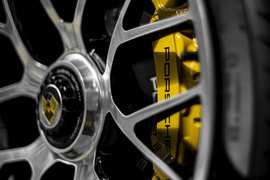
The primary hurdle for legacy luxury manufacturers is the “EV profit gap.” In 2025, we witnessed a stark reality check: Porsche, a brand that previously seemed bulletproof in its transition, saw a dramatic fluctuation in operating margins. The transition to electric powertrains is inherently capital-intensive. Beyond the massive R&D expenditure required for bespoke battery chemistry and power electronics, the lack of economies of scale in the ultra-luxury segment makes profitability a moving target.
For most automakers, the cost of manufacturing an electric vehicle—specifically one that meets the performance standards of a Ferrari—is currently eating into margins that were historically reserved for V8 and V12 engines. Unlike mass-market EV producers, Ferrari cannot simply “scale up” to lower per-unit costs. Their brand equity is tethered to scarcity. Therefore, their strategy must be one of precision, not volume.
The Magic Number for Ferrari’s Success
RBC Capital analyst Tom Narayan recently offered a compelling perspective that aligns with my observations on the luxury market. While demand for mid-tier electric vehicles has plateaued, the “supercar” tier remains a unique, insulated bubble.
The “magic number” identified for Ferrari’s success is a production volume of 500 to 1,000 units per year for their electric supercar.
When you consider that Ferrari produces over 13,000 vehicles annually, a target of 1,000 units for an electric offering is remarkably conservative. This volume isn’t just a sales target; it is a strategic masterclass in supply-demand equilibrium. By capping production at this level, Ferrari avoids the trap of “market saturation” that has plagued more ambitious EV startups. If they can secure 1,000 buyers annually—an attainable goal for a brand with such intense global brand loyalty—they ensure that the vehicle remains an object of extreme desire rather than a depreciating commodity.
The Competitive Landscape and Market Sentiment
The skepticism surrounding luxury EVs isn’t just about the powertrain; it’s about the experience. Rivals like Lamborghini have been vocal about the challenges of replicating the emotional resonance of a combustion engine in an EV. Yet, Ferrari has an edge in its “experience-first” approach. They aren’t trying to build the best EV; they are trying to build the best Ferrari that happens to be electric.
High-CPC keywords such as “luxury electric vehicle market analysis” and “high-performance EV investment” highlight the intense interest from investors who are closely watching if these legacy firms can pivot without sacrificing their 20% to 25% operating margins. The financial community is looking for stability, and Ferrari’s “Luce” strategy appears designed to protect those margins by positioning the vehicle as a boutique, low-volume release rather than a volume-driver.
Why 2026 is the True Test
Entering 2026, the global automotive market is dealing with shifting tariff landscapes and fluctuating demand in key regions like China. Legacy manufacturers are finding that their facility retooling costs are higher than projected. However, Ferrari’s business model is less susceptible to these shocks because they don’t rely on the high-volume throughput that traditional OEMs require to stay afloat.
If Ferrari adheres to this 500-to-1,000-unit ceiling, they mitigate the risk of inventory buildup. They transform the EV from a financial liability into a collector’s piece. This is the crucial difference between an automaker that happens to make an EV and a brand that creates a piece of automotive history.
Final Thoughts on the Future of Performance
The transition to electrification is inevitable, but for the luxury sector, the “one-size-fits-all” approach to EV production is a failure. Ferrari’s strategy of targeted, limited production proves that they understand the psychology of their clientele. They are not chasing the mass market; they are chasing the elite enthusiast who values engineering excellence above the power source.
As we look toward the unveiling of the Luce, the question isn’t whether it will be the most powerful EV on the road—it is whether it can maintain the exclusivity that defines the brand. By aiming for that “magic number,” Ferrari is ensuring that their electric future remains as profitable and prestigious as their gasoline-powered past.
The road ahead for high-end automotive luxury is complex, but the data suggests that in the world of supercars, less truly is more. If you are tracking the evolution of the luxury automotive market and want to see how these strategic shifts impact asset values and investment opportunities, now is the time to stay informed on the latest industry disclosures.
Are you ready to see how the next generation of performance vehicles will reshape your portfolio or your garage? Subscribe to our newsletter today for deep-dive analysis on the future of exotic car investments and engineering breakthroughs.