
Why You Feel Sick in an Electric Vehicle and How Mercedes Plans to Fix It
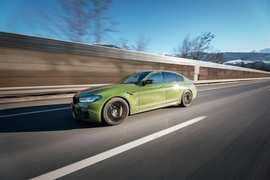
If you have ever found yourself feeling lightheaded, nauseous, or generally “off” while riding in a modern electric vehicle (EV), you are certainly not alone. While the transition to electrification has revolutionized the automotive industry with instant torque and whisper-quiet cabins, it has also introduced an unexpected physiological byproduct: a unique form of motion sickness. As a veteran in the automotive sector, I have watched this concern shift from a niche complaint to a high-priority engineering challenge. Fortunately, industry leaders like Mercedes-Benz are now deploying cutting-edge technology to address this exact issue.
The Science Behind EV Motion Sickness
To understand why you might feel sick while you’re in an EV, we have to look at the disconnect between your senses. Motion sickness, or kinetosis, occurs when there is a sensory mismatch. Your eyes perceive the environment moving past you, but your inner ear—the vestibular system responsible for balance and spatial orientation—does not receive the expected physical cues associated with that movement.
In traditional internal combustion engine (ICE) vehicles, our brains rely on auditory and tactile “breadcrumbs” to predict movement. The rising pitch of an engine, the slight vibration of the chassis, and the rhythmic shift of a transmission act as pre-conscious signals that acceleration or deceleration is imminent. Your brain processes these cues, allowing your vestibular system to prepare for a change in state.
Electric vehicles, by design, remove these breadcrumbs. The instant torque provided by electric motors is smooth, silent, and devoid of the mechanical “noise” our bodies use to anticipate motion. Furthermore, regenerative braking systems—which capture kinetic energy to recharge the battery—can induce rapid, jarring deceleration that the passenger’s brain doesn’t anticipate. This creates a state of sensory conflict. The brain registers a movement that it wasn’t warned about, resulting in that sudden, uncomfortable wave of nausea.
Why Mercedes Is Leading the Charge in Passenger Comfort
Mercedes-Benz has recognized that luxury is no longer just about soft leather and wood trim; it is about the physiological harmony of the passenger experience. With the rise of EV adoption, the German manufacturer has begun filing patents for advanced cabin-control systems designed to mitigate the specific stressors caused by electric drivetrains.
The solution is both elegant and futuristic. Rather than relying on simple mechanical fixes, Mercedes is looking toward multisensory synchronization. Their proposed system utilizes a combination of ambient lighting patterns and dynamic airflow to provide the brain with the missing “signals” it needs to remain stable.
The Mechanism of Relief
The proposed technology works by creating a subtle, real-time feedback loop between the vehicle’s telemetry and the cabin environment:
Dynamic Airflow: When the vehicle executes an acceleration command, hidden climate control vents subtly adjust the airflow intensity. This tactile sensation acts as a physical marker for the body, signaling that the vehicle is gaining speed.
Ambient Light Cues: The interior ambient lighting—already a staple of the high-end Mercedes cabin—would pulse or shift in color temperature in alignment with the vehicle’s motion. By providing a peripheral visual anchor that matches the car’s physical movement, the brain can better reconcile the discrepancy between the eyes and the inner ear.
Essentially, this system provides “subtitles for the inner ear,” translating raw data from the powertrain into sensory input that the human brain can comfortably interpret.
The Future of Electric Mobility and Passenger Well-being
While we are not seeing this specific system in every production model just yet, the intent is clear: the industry is taking the human element of automotive engineering seriously. As we move toward 2025 and beyond, the integration of software-defined vehicles will allow for more personalized comfort settings.
For the modern consumer looking to invest in a sustainable future, comfort remains the primary barrier to entry for many. If you are shopping for a new vehicle, look for brands that prioritize “sensory-integrated design.” Whether you are considering an entry-level EV or a premium model, understanding the nuances of how a car handles—and how it keeps you balanced—is crucial.
Choosing the Right Vehicle for Your Needs
Investing in an electric vehicle is a significant commitment. Beyond the battery range and charging infrastructure, it is vital to consider the “ride signature” of the vehicle. Some manufacturers prioritize raw performance, while others, like Mercedes-Benz, are focusing on human-centric comfort technologies that address the realities of modern driving.
If you are currently experiencing discomfort during your commutes, you may want to consult with a dealership about test-driving models that offer adjustable regenerative braking profiles. Often, lowering the intensity of the “one-pedal driving” mode can significantly reduce the internal sensory mismatch that causes travel sickness.
Take the Next Step in Your Driving Journey
The automotive landscape is evolving faster than ever. As technology bridges the gap between raw electric power and human comfort, the driving experience will only become more refined. Don’t settle for a ride that doesn’t respect your comfort.
Are you ready to experience the next generation of automotive luxury? Visit your local authorized Mercedes-Benz dealer today to schedule a test drive. Experience firsthand how advanced engineering and human-centric design come together to make every mile smoother, quieter, and more comfortable than ever before. Your journey toward a more sophisticated way to drive starts with a single seat in the cockpit—come find yours.