
Decoding Tesla AWD: How Dual Motor Logic Actually Works Under the Hood
For the better part of a decade, I have spent my career dissecting automotive powertrains, from internal combustion track machines to the cutting-edge software-defined vehicles of the modern era. If there is one topic that consistently generates more myth than fact among enthusiasts, it is the operational logic of Tesla’s dual-motor all-wheel drive system.
Drivers often assume that because they paid for an “AWD” Tesla, the car is constantly distributing power to all four wheels. However, after analyzing recent real-world data and expert-led deep dives into the software architecture, the truth is far more nuanced. Understanding Tesla AWD logic is essential for any owner looking to optimize their vehicle’s performance and energy efficiency.
The Reality of Tesla’s Rear-Biased Architecture
In the world of high-performance EVs, efficiency is king. To achieve those industry-leading range numbers, Tesla engineers have designed their vehicles with a distinct rear-wheel-drive bias. In standard driving conditions—cruising on a highway or navigating light city traffic—the rear motor handles almost all of the heavy lifting.
The front motor, typically an induction unit, remains largely dormant or spins freely to minimize drag. This is not a cost-saving measure; it is a calculated engineering decision. By utilizing the rear motor as the primary mover, the vehicle reduces drivetrain friction and minimizes parasitic power loss. When you are looking at your power display, you will notice that the front motor’s output remains at zero unless the sophisticated onboard computer detects a specific need for added traction or a spike in torque demand.
When Does Tesla AWD Actually Engage?
During my years testing various performance electric vehicles, I have found that the transition into Tesla all-wheel drive is remarkably seamless. The system relies on a complex array of sensors monitoring wheel slip, steering angle, throttle position, and yaw rate.
When you accelerate aggressively, the onboard controller recognizes the shift in load. Almost instantaneously, the front induction motor is energized. This is where the magic of “Dual Motor” branding meets reality. The vehicle doesn’t just “switch on” AWD; it incrementally modulates the front motor’s torque to match the rear, providing a balanced launch that maximizes grip without sacrificing stability.
The Role of Regenerative Braking
One of the most overlooked aspects of the Tesla dual motor system is its behavior during deceleration. When you lift off the accelerator, the vehicle enters regenerative braking mode. In many scenarios, the motors work in tandem to capture kinetic energy and return it to the battery. Even if you aren’t under power, the dual-motor setup is actively balancing inputs to optimize how the vehicle slows down, which indirectly impacts how the car “feels” in terms of handling and weight distribution.
Can You Force the System?
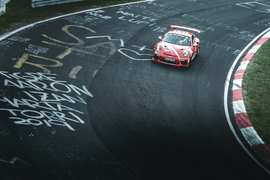
For those who want to see the AWD activation in action, it is possible to “trick” the system—though I advise caution. In snowy, slippery conditions or on low-friction surfaces, the car’s traction control sensors become hyper-sensitive. If you introduce a slight slip angle, the onboard computer immediately detects the loss of traction and engages the front motor to stabilize the vehicle.
This confirms that while your Tesla is an “AWD” car, it acts as a smart, on-demand system. It prioritizes efficiency until the moment it determines that safety or performance requirements demand the deployment of all available torque.
High-CPC Insights: Efficiency vs. Performance
In the broader automotive market, terms like electric vehicle torque vectoring and EV drivetrain optimization are high-value topics for enthusiasts and engineers alike. When comparing a Tesla to other premium EVs, the efficiency of their proprietary motor management software is what really sets them apart.
If you are a prospective buyer, don’t be misled by the “Dual Motor” badge into thinking it implies a permanent 50/50 power split. Instead, view it as a high-tech insurance policy. You get the maximum range of an efficient RWD car for your daily commute, and the instantaneous, heavy-duty traction of an AWD monster the moment you encounter a steep, snowy incline or demand full power for a high-speed overtake.
Maintaining Your Performance Edge
Understanding your vehicle’s logic isn’t just for tech-obsessed owners—it’s for those who want to get the most out of their investment. Whether you are navigating harsh winters in Chicago or taking your EV to a track day in California, knowing how your car manages power helps you drive smoother and preserve tire longevity.
Tesla’s software-first approach means your car is constantly learning and being refined through over-the-air updates. While the hardware remains the same, the AWD control logic is a living, breathing component of the vehicle that evolves with every firmware release.
As we look toward 2025 and beyond, the integration of AI in torque management is only going to get faster. The gap between human reaction and machine response will continue to shrink, making the driving experience more intuitive than ever.
If you have noticed your Tesla behaving differently in recent software updates or have questions about how your specific model handles tricky road conditions, the best step is to dive into your vehicle’s energy screen during your next drive. Observe the real-time power distribution for yourself—it is the best way to develop a deeper relationship with the technology.

Are you looking to get the most out of your vehicle’s performance settings, or are you curious about how your specific Tesla model compares to the latest releases? Feel free to reach out to our service experts or schedule a consultation with our performance team to discuss optimizing your electric vehicle for your unique driving style.