

Automotive Industry Update: From Luxury Maybach Teasers to the Real-World Economics of EV Road Trips
The automotive landscape in 2026 is moving at a breakneck pace, defined by a fascinating tug-of-war between traditional combustion heritage and the rapid integration of sustainable logistics and electric mobility. As an industry analyst who has spent over a decade tracking market shifts, I have observed that today’s headlines aren’t just about horsepower—they are about the evolving relationship between the driver and the machine. Whether it is Mercedes-Benz looking to redefine the pinnacle of chauffeur-driven luxury, or the hyper-practical data emerging from long-distance electric vehicle (EV) testing, the industry is in a state of constant, exhilarating transition.
The Evolution of Prestige: Mercedes-Maybach’s Next Masterpiece
Luxury is rarely static, and Mercedes-Benz understands this better than most. The latest whispers from Stuttgart suggest a new “expression of elegance” is on the horizon, signaling an imminent refresh for the Maybach S-Class lineup.
For the discerning buyer, the Maybach nameplate serves as the ultimate benchmark for comfort and technological sophistication. With teaser campaigns currently circulating on social media, industry speculation points toward an enhanced 2026 model year rollout. By stripping away the heavy camouflage in these digital previews, Mercedes is creating significant buzz among high-net-worth collectors. As we look at the trajectory of the ultra-luxury sedan market, we expect this iteration to integrate even more advanced autonomous driving features and bespoke interior materials, solidifying its place as the definitive boardroom-on-wheels.
Decarbonizing Global Logistics: Hyundai’s Hydrogen Pivot
While luxury cars dominate the headlines, the most significant shift in engineering is occurring in the commercial sector. Hyundai’s recent deployment of its XCIENT fuel cell trucks into Uruguay marks a pivotal moment for international heavy-duty transport.
Supporting the Kahirós Project—a vital initiative focused on decarbonizing timber logistics—these trucks represent a massive leap forward. By utilizing hydrogen fuel cell technology, each XCIENT unit delivers 469hp while maintaining a range of 450 miles, effectively overcoming the “range anxiety” that has long plagued commercial battery-electric fleet managers. This is more than just a localized success; it is a global blueprint for how high-output commercial vehicles can transition away from fossil fuels without sacrificing payload capacity or reliability. This project serves as a compelling case study for logistics firms considering the long-term ROI of hydrogen infrastructure.
Volkswagen’s 2027 Atlas: A Glimpse into the Family SUV Future
Volkswagen is clearly preparing to disrupt the mid-size SUV segment with the upcoming 2027 Atlas. The latest interior teasers highlight a departure from the brand’s previous minimalist aesthetic, leaning instead into a high-tech, user-centric cockpit design.
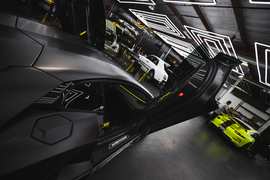
Scheduled for a grand reveal at the New York International Auto Show, the 2027 Atlas is slated to be a complete ground-up redesign. For families and professionals seeking a reliable, high-performance daily driver, the interior updates—expected to include next-generation ambient lighting and a modular infotainment array—suggest that Volkswagen is finally addressing the demand for a more “premium-feeling” cabin in its flagship SUV.
The Real-World Economics: Tesla Model 3 Road Trip Analysis
Perhaps the most contentious topic in automotive circles remains the financial viability of EVs versus internal combustion engine (ICE) vehicles. To cut through the noise, recent real-world testing involving a 2023 Tesla Model 3 Long-Range has provided some illuminating data.
A 300-mile road trip, conducted under less-than-ideal conditions (cold weather and non-preconditioned batteries), resulted in a total charging cost of approximately $18.86. When measured against the $51 to $55 required to cover the same distance in a comparable gasoline or diesel vehicle, the math is undeniable. Even factoring in the necessity of a 13-minute supercharging stop, the cost-per-mile efficiency of the EV creates a compelling argument for fleet electrification and personal utility alike. This data is essential for consumers who remain skeptical about the long-term savings associated with high-performance EVs.
The Paradox of the “NO TESLA” Corvette Z06
In the world of high-end automotive collecting, sentiment and branding often collide in strange ways. Consider the 2024 Chevrolet Corvette Z06 currently circulating on the resale market. With a naturally aspirated 5.5-liter V8 engine capable of 670hp, it is undeniably a track-ready weapon. However, its viral status stems from a custom license plate reading “NO TESLA.”
The irony? The owner keeps two Tesla Model Ys in the garage. This unique listing—currently priced significantly lower than its original $145,510 acquisition cost—serves as a reminder that the automotive market is as much about personality as it is about performance metrics. Whether you are hunting for a naturally aspirated supercar or exploring the latest in EV efficiency, the secondary market is currently flooded with unique opportunities for savvy investors.
Navigating the Future of Automotive Performance
Whether you are interested in the ultra-luxury comfort of a new Maybach, the logistical power of hydrogen-fuel-cell trucks, or the surprising cost-effectiveness of modern electric transport, the industry is providing more choices than ever.
As we move toward the 2026-2027 model years, the line between “traditional automotive enthusiast” and “tech-forward driver” is blurring. Understanding the underlying technology—be it the V8 heart of a Corvette or the hydrogen stack of a Hyundai XCIENT—is the key to making an informed decision in this fast-paced market.

Are you ready to upgrade your garage or optimize your fleet’s efficiency? Explore our exclusive premium listings at SBX Cars today and stay ahead of the curve with the latest industry breakthroughs.