

The Economics of Silence: Ferrari’s Strategic Gamble on the Electric Supercar Era
In the high-stakes theater of automotive luxury, few names carry the weight of Maranello. While the global industry faces a cooling period regarding electric vehicle (EV) adoption, Ferrari remains resolute, pushing forward with its plan to launch its first pure-electric supercar. This decision stands in stark contrast to many legacy rivals who are currently tapping the brakes on their electrification timelines. As an industry veteran who has spent over a decade navigating the volatile cycles of supercar manufacturing, I’ve watched many brands falter when trying to balance heritage with the demands of the modern grid. Ferrari’s success won’t be determined by engineering prowess alone—it will be defined by a specific, calculated metric.
The Profitability Puzzle: Why Legacy Automakers Are Struggling
To understand the significance of the Ferrari electric supercar, we must first address the “elephant in the workshop.” Throughout 2025, the automotive world witnessed a sobering reality check. Porsche, once the gold standard for blending high-performance combustion with early electric adoption, saw its operating profit face significant headwinds. When a brand of that stature reports a 99% plunge in quarterly operating profit—dropping from billions to mere millions—it serves as a warning signal to every manufacturer in the high-performance segment.
The core issue is twofold: high production costs and the inherent volatility of EV market demand. Unlike mass-market electric vehicles, where economies of scale eventually drive down the cost per unit, bespoke electric luxury cars are notoriously expensive to develop and build. Maintaining the “Ferrari” standard of craftsmanship while integrating cutting-edge battery technology is an immense fiscal challenge. Many legacy brands have found themselves caught in a cycle of heavy R&D expenditure followed by tepid consumer interest, ultimately leading to negative margins on every unit delivered.
The Magic Number: Decoding Ferrari’s Strategy
So, how does the Prancing Horse plan to dodge the pitfalls that have stalled its competitors? Enter the analysis provided by industry experts like RBC Capital’s Tom Narayan. While many are fixated on whether the general public wants an electric supercar, Ferrari is playing a much more refined game.
The “magic number” Ferrari must hit to ensure the commercial viability of its upcoming electric supercar is surprisingly modest: 500 to 1,000 units per year.
This target is a masterclass in market positioning. By aiming for a niche volume, Ferrari avoids the trap of trying to force high-end EVs onto a general market that is still grappling with charging infrastructure and range anxiety. Instead, they are targeting their most loyal “tifosi”—collectors and drivers who are less sensitive to the broader market trends affecting the mainstream EV sector. If Ferrari can secure just 500 to 1,000 buyers annually for their electric offering, they will have successfully penetrated the ultra-luxury segment without needing to scale to the unsustainable levels required by volume-focused manufacturers.
The Competitive Landscape: High-Performance EV Challenges
We are currently in a transition phase. CEOs like Mate Rimac and Lamborghini’s Stephan Winkelmann have been vocal about the plateauing demand for high-performance electric vehicles. The Ferrari electric supercar represents a pivot to a “quality over quantity” mindset. In this tier of the market, the price point is often secondary to exclusivity.
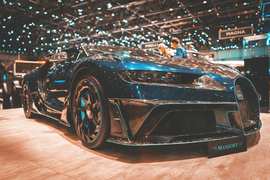
Furthermore, the integration of high-performance EV technology into a brand that defines itself by the sound and tactile feedback of an internal combustion engine is a risk. However, Ferrari’s history is rooted in adaptation. Just as the brand successfully navigated the transition from front-engine to mid-engine platforms, they are likely banking on the fact that their engineering signature—handling, chassis dynamics, and design—will supersede the drivetrain itself.
Why the Strategy Could Succeed Where Others Failed
When we analyze the luxury vehicle market trends for 2026 and beyond, it becomes clear that brand equity is the ultimate shield against market fluctuations. A Tesla, while revolutionary, is a mass-market product subject to the whims of interest rates and public policy shifts. A Ferrari, conversely, is an asset.
By keeping the production volume restricted to that “magic number” of 500–1,000 units, Ferrari achieves two things:
Residual Value Stability: By avoiding overproduction, they maintain the scarcity that drives long-term value, mitigating the rapid depreciation often associated with the broader electric vehicle segment.
Profit Margin Protection: They can afford to absorb the high costs of R&D because each unit carries a massive premium. They aren’t competing for the average luxury buyer; they are fulfilling a unique request from their top-tier clientele.
The Road Ahead
The path for the Ferrari electric supercar is not without obstacles. High production costs remain a threat, and the shift in consumer sentiment toward high-end EVs will continue to be a primary focus for analysts. However, Ferrari has consistently shown a talent for understanding exactly what their customers want, often before the customers know it themselves.
If they can balance the technological demands of a silent, high-torque drivetrain with the emotional resonance of the Ferrari badge, they won’t just succeed—they will set the standard for the next generation of performance motoring. The “magic number” is the key, and it is a target that is well within the reach of a brand that has spent decades defining the pinnacle of automotive desire.
As we look toward the next chapter in Maranello’s history, it is clear that the future isn’t just about electricity; it’s about maintaining the exclusivity that made the brand a legend in the first place. Whether you are an investor monitoring automotive stock performance or a collector waiting for the next big release, keeping an eye on these specific production metrics will be the best way to gauge the health of the high-performance electric revolution.

Are you prepared for the next evolution in supercar performance, or are you holding out for the final generation of naturally aspirated engines? Join the conversation on our platform to stay updated on the latest breakthroughs in luxury automotive engineering and get early access to the most exclusive vehicle release data.