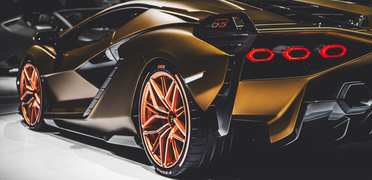

The Magic Number: Decoding Ferrari’s Strategy for Electric Supercar Success
The automotive landscape is shifting, and while legacy automakers are pumping the brakes on their aggressive electrification mandates, Ferrari remains the outlier. As the world watches Maranello prepare for the launch of its highly anticipated electric supercar, industry experts are questioning whether the brand can successfully transition its storied performance legacy into the battery-electric era. The primary challenge isn’t just technology—it’s about preserving the “Ferrari magic” while navigating the thin margins that have plagued the industry’s shift toward electric vehicles (EVs).
The Profitability Paradox of High-End EVs
For a decade, I have tracked the intersection of luxury automotive engineering and market economics. One of the most persistent issues in the premium segment is the inherent unprofitability of low-volume, high-performance battery-powered machines. Unlike mass-market manufacturers, luxury brands like Ferrari face a distinct hurdle: the staggering cost of Research and Development (R&D) and the complexity of maintaining distinct driving dynamics in a world without the wail of a naturally aspirated V12 engine.
We witnessed this struggle in 2025 across several major automotive powerhouses. Porsche, for instance, experienced a dramatic contraction in operating profit—plummeting from €4 billion to a mere €40 million in just nine months. While trade tariffs and cooling demand in the Chinese market played a role, the fundamental issue remains: electric vehicles (EVs) are significantly more capital-intensive to produce than their internal combustion counterparts. For Ferrari, the world’s most profitable luxury brand, maintaining their gold-standard margins while pivoting to an electric powertrain is the ultimate test of their corporate resilience.
Identifying the ‘Magic Number’
According to Tom Narayan, an analyst at RBC Capital, Ferrari’s success in the electric vehicle (EV) space will not be dictated by total global volume, but by a precise, calibrated target. In recent discussions, industry heavyweights like Mate Rimac and Lamborghini’s Stephan Winkelmann have voiced concerns regarding the tepid demand for luxury electrification. Despite this, Ferrari is moving forward with “Luce,” their upcoming flagship electric supercar.
The “magic number” suggested by analysts is an annual production volume of between 500 and 1,000 units.
Why this specific range? By aiming for 500 to 1,000 sales per year, Ferrari effectively keeps the model exclusive, protecting the brand’s residual value—a critical factor in the luxury market. When you compare this to the millions of vehicles produced by volume manufacturers, this target feels intentionally modest. By limiting the supply, Ferrari ensures they aren’t flooding the market, allowing them to maintain the high price points necessary to achieve high-margin profitability. It is a masterclass in supply-side economics. If they can secure 1,000 buyers annually for an electric supercar, they will have successfully penetrated the ultra-high-net-worth segment without diluting the prestige that has defined the brand for nearly a century.
Navigating the Future of High-Performance Vehicles
The transition to electric vehicles (EVs) is not just about the powertrain; it is about customer retention. Many loyal Ferrari enthusiasts fear that electrification will equate to a loss of soul. However, the Maranello strategy seems to hinge on the idea that if the engineering is superior and the volume is constrained, the luxury car investment potential remains intact.
We are seeing similar volatility elsewhere in the market. Look at the Tesla Cybertruck saga, where a push for a more affordable, lower-cost variant led to massive order spikes, only to be dampened by logistical hurdles and shifting policy updates regarding software transfers. This underscores a universal truth in the 2025 market: consumers are price-sensitive, even at the luxury level, but they are also deeply skeptical of manufacturers that overpromise and underdeliver on production timelines. Ferrari, by contrast, has built its reputation on waiting lists and exclusivity. If they can manage the “magic number” of 500–1,000 units, they bypass the production-hell scenarios that have hindered other luxury EV manufacturers.
The Role of Technology in Modern Automotive Luxury
As we move further into the decade, the integration of cutting-edge technology will define the best luxury cars of the 2030s. We see this trend even outside of traditional road cars—take the Lazzarini Design Jet Capsule, for example. It is a fusion of maritime luxury and hyper-futuristic design, proving that the wealthy consumer market is hungry for innovation that looks and feels like it belongs in 2065. Ferrari is likely taking a page from this book, ensuring that their electric supercar feels like an advancement in human achievement rather than a compromise on performance.
Whether they are investing in advanced battery chemistry, solid-state technology, or AI-driven driver assistance systems, Ferrari must ensure that the “Luce” offers an experience that justifies the premium. The luxury automotive market is no longer just about the engine; it is about the experience, the status, and the seamless integration of digital and mechanical excellence.
Final Thoughts on the Road Ahead
Ferrari’s decision to commit to this electric supercar is a high-stakes gamble, but it is one grounded in calculated scarcity. By focusing on that target of 500 to 1,000 units, they are positioning themselves to retain their status as the industry’s most profitable entity. They aren’t trying to change the world overnight; they are trying to lead the future of performance luxury on their own terms.
As a seasoned industry observer, I believe this strategy is exactly what the market demands. It protects the brand equity while allowing them to experiment with the future of mobility. If you are an investor, a collector, or an enthusiast watching these trends, it is clear that the winners in this cycle will be those who balance innovation with strict production discipline.
Are you prepared for the next era of high-performance motoring? Stay ahead of the curve by subscribing to our industry insights and keeping a close watch on the upcoming production milestones from Maranello. Contact our team today to learn more about upcoming luxury vehicle releases and how you can secure your place on the list for the next generation of supercars.