
The Electric Prancing Horse: Determining the Magic Number for Ferrari’s EV Success
In the rapidly evolving landscape of automotive engineering, few shifts are as seismic as Ferrari’s decision to move forward with a high-performance electric supercar. While many legacy automakers are hitting the brakes on their electrification strategies due to cooling consumer sentiment, the Maranello-based icon is charging ahead. As someone who has spent a decade analyzing the luxury automotive sector, I’ve seen countless trends come and go, but the transition to battery electric vehicles (BEVs) for a brand defined by the mechanical symphony of V12 and V8 engines is arguably the greatest challenge in the company’s history.
The Financial Reality of Luxury EVs
The fundamental struggle for high-end automotive manufacturers in 2025 and 2026 isn’t just technology—it is profitability. Historically, luxury marques have struggled to maintain margins on electric vehicles compared to their combustion-powered counterparts. The data is clear: legacy brands are finding that repurposing production facilities for EV assembly is an expensive endeavor.
We saw this play out with Porsche, which faced significant operational headwinds in 2025. When a manufacturer’s operating profit drops from the billions to the low millions, the message from the market is loud and clear: the cost of transition is steep. Tariffs, supply chain volatility, and a softening market in China have exacerbated these issues, forcing industry leaders to re-evaluate their bottom lines.
Defining the “Magic Number” for Ferrari
Amidst this skepticism, RBC Capital analyst Tom Narayan recently highlighted a specific metric that Ferrari must hit to ensure the viability of its upcoming electric supercar, internally dubbed Luce.
The “magic number” suggested is between 500 and 1,000 units per year.
From an expert perspective, this target is remarkably strategic. By capping production at this volume, Ferrari avoids the trap of mass-market saturation while maintaining the exclusivity that underpins the brand’s premium pricing power. Unlike mainstream EV manufacturers that need to scale into the hundreds of thousands to amortize R&D costs, Ferrari’s business model is built on scarcity. If they can secure just 500 to 1,000 discerning enthusiasts who are willing to embrace an electric Ferrari, they effectively de-risk the project.
Luxury Market Dynamics and EV Adoption
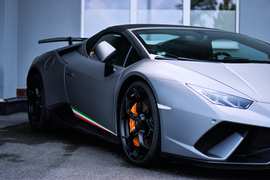
Industry heavyweights like Mate Rimac and Lamborghini’s CEO, Stephan Winkelmann, have been vocal about the plateauing demand for high-performance EVs. The challenge for Ferrari is twofold: they must preserve the emotional “soul” of their cars while meeting the rigorous performance standards their clientele expects.
The luxury EV segment is currently grappling with rapid depreciation and high capital expenditure (CapEx) requirements. However, Ferrari operates in a rarefied air. Their customers aren’t just buying transportation; they are buying an appreciating asset and a legacy. If the Luce delivers the expected performance—instant torque, precision handling, and a distinct design language—the transition for those 500 to 1,000 annual buyers will likely be seamless.
High-Performance Engineering vs. Mass Market EVs
While brands like Tesla focus on driving down the cost of ownership through economies of scale and software-integrated experiences, Ferrari’s approach to the luxury electric vehicle market remains centered on bespoke craftsmanship. The high-performance electric vehicle sector is becoming increasingly crowded, yet few competitors possess the brand equity of the Prancing Horse.
When analyzing automotive investment strategy or luxury car market trends, it is essential to distinguish between a “commodity EV” and a “Ferrari EV.” The former is subject to interest rate fluctuations and charging infrastructure anxiety; the latter is a lifestyle choice. Ferrari’s ability to maintain high profit margins while venturing into the electric supercar space will be the litmus test for the entire luxury sector in the coming years.
The Role of Exclusive Experiences
Success in the modern automotive market also relies on the integration of secondary revenue streams. Whether it’s through premium car auction platforms, personalized vehicle configuration services, or exclusive owners’ clubs, the value of the brand is bolstered by the ecosystem surrounding it.
As we look toward 2026 and beyond, the focus will shift from “Who can build the fastest EV?” to “Who can build an EV that remains desirable for decades?” Ferrari has a proven track record of answering that question for internal combustion models. Whether they can replicate that success with battery-powered platforms remains the ultimate unknown.
Final Thoughts: A Strategic Gamble
Ferrari is playing a calculated game. By targeting that “magic number” of 500 to 1,000 units, they are insulating themselves from the broader volatility of the electric vehicle market. They aren’t trying to change the world; they are trying to evolve with it while staying true to their heritage.
For collectors and investors alike, the Luce represents a pivotal moment in automotive history. It’s not merely a car; it’s the future of the supercar segment.
Are you prepared for the next era of high-performance driving? As the automotive industry shifts toward a new paradigm, staying informed on these exclusive releases is more critical than ever. We invite you to keep a close eye on our market analysis and upcoming luxury vehicle deep dives to ensure you’re always at the forefront of the supercar revolution. Contact our concierge team today to discuss how these shifts impact your automotive portfolio or to receive exclusive insights on the latest releases from Maranello.