
The Ferrari Electric Supercar Strategy: Decoding the Magic Number for Success
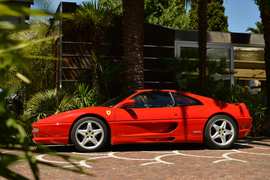
In the rarefied air of high-performance automotive manufacturing, Ferrari stands as a titan of internal combustion heritage. Yet, the industry is currently navigating a tectonic shift. While many rival manufacturers are pumping the brakes on their aggressive electrification roadmaps, Maranello is charging forward. The upcoming launch of Ferrari’s first electric supercar—internally referred to as the “Luce”—represents a pivotal moment for the brand. As an industry analyst who has tracked luxury automotive trends for over a decade, I’ve seen the market fluctuate, but Ferrari’s move into the EV sector is a masterclass in calculated risk.
The question on every enthusiast’s and investor’s mind is simple: Can a battery-electric vehicle (BEV) truly capture the “Prancing Horse” soul? According to industry experts like Tom Narayan of RBC Capital, the answer doesn’t necessarily rely on converting the entire global fleet to electric. Instead, it boils down to a single “magic” number.
The Profitability Paradox of High-End EVs
Before we dissect the magic number, we must acknowledge the elephant in the room: the “unprofitable EV” dilemma. In the broader automotive sector, electric vehicle production costs remain a significant hurdle. Legacy manufacturers are finding that pivoting their existing infrastructure—designed over decades for ICE (Internal Combustion Engine) vehicles—to accommodate lithium-ion battery integration is an expensive, margin-eroding process.
We witnessed this clearly throughout 2025. Porsche, a direct competitor in the high-performance space, saw its operating profit face significant headwinds. While factors like geopolitical tariffs and a cooling Chinese market played roles, the fundamental truth is that high-end EVs are currently cost-intensive to build compared to their gas-powered counterparts.
However, Ferrari is not your average automaker. As the most profitable luxury brand on the planet, Ferrari operates with a unique buffer. Their business model isn’t built on volume; it is built on exclusivity and aspiration. This leads us to the core of the strategy: how many units does Ferrari need to sell to make its electric supercar a triumph?
The Magic Number: Finding the Sweet Spot
Tom Narayan suggests that for the Ferrari electric supercar to be financially viable and maintain its market positioning, the target should be between 500 and 1,000 units per year.
For a mass-market brand like Tesla or Toyota, 1,000 units would be a rounding error. But for Ferrari, this target is genius. By capping production at this specific range, Ferrari achieves two things:
Supply-Side Scarcity: By keeping production volumes within this “magic” 500–1,000 unit window, Ferrari ensures that demand will consistently outstrip supply. This preserves the resale value of the vehicle, a common weak point for luxury EVs from other manufacturers that suffer from rapid depreciation.
Operational Efficiency: Producing a smaller batch of high-spec vehicles allows Ferrari to absorb the high R&D costs of their proprietary EV technology across a premium price point, protecting their industry-leading profit margins.

While CEOs like Mate Rimac and Lamborghini’s Stephan Winkelmann have publicly questioned the waning consumer appetite for high-performance EVs, Ferrari’s strategy seems to sidestep the broad-market slump entirely. They aren’t trying to sell 100,000 EVs; they are trying to sell an exclusive, groundbreaking experience to 1,000 collectors who want the absolute pinnacle of technology.
Navigating the Future of Luxury Performance
The transition to electric is not just about the powertrain; it is about maintaining the sensory connection that defines a Ferrari. Whether it’s the visceral sound—which engineers are working to synthesize or amplify—or the aggressive torque-vectoring that electric motors provide, the brand is clearly betting that its core clientele values the “Ferrari” nameplate more than the propulsion method under the chassis.
In my decade of experience covering automotive launches, I’ve learned that Ferrari rarely misses. They possess an uncanny ability to dictate the market rather than follow it. If they hit that 500–1,000 unit target, they will not only satisfy their shareholders but also create a new benchmark for what a luxury electric supercar can be.
Lessons from the Wider EV Market
It is instructive to contrast this with the current state of the wider EV landscape, such as the volatility we see with the Tesla Cybertruck. The Cybertruck’s recent surge in demand, fueled by a new, more affordable trim, was quickly tempered by administrative headaches regarding FSD (Full Self-Driving) transfers and unrealistic delivery timelines stretching into 2027.
When you compare these two strategies, the contrast is stark. Tesla is playing a high-volume, mass-market game that is susceptible to shifting policy, consumer frustration, and supply chain bottlenecks. Ferrari, conversely, is sticking to a low-volume, high-margin model that is far more insulated from market noise.
The Road Ahead
Ferrari is not merely building a car; they are building a legacy for a post-combustion era. By keeping their sights set on a modest, achievable production target, they are ensuring that their foray into electrification is a masterstroke of exclusivity. They aren’t trying to change the world overnight; they are trying to sustain the mythos of the Prancing Horse for another generation.
As we move toward the official unveiling of the first electric Ferrari, it is clear that the brand has done its homework. They understand that in the world of ultra-luxury, success is measured not in units sold, but in the enduring prestige of the product.

If you are a collector or an investor watching the evolution of the high-performance car market, this is the brand to watch. We are witnessing the birth of a new icon. Stay informed on the latest developments in luxury automotive technology and investment opportunities by subscribing to our expert-led market insights—contact our team today to learn how to position your portfolio for the future of the automotive sector.