
The Ferrari EV Strategy: Decoding the Magic Number for Electric Success
As we move deeper into 2026, the automotive landscape is undergoing a tectonic shift. While mass-market manufacturers are hitting the brakes on their aggressive electrification targets due to cooling demand, the world’s most prestigious luxury brand, Ferrari, is doubling down. The Maranello-based icon is preparing to launch its highly anticipated electric supercar, internally dubbed “Luce.” For those of us who have spent a decade analyzing the volatility of the high-performance car market, this move is as audacious as it is calculated.
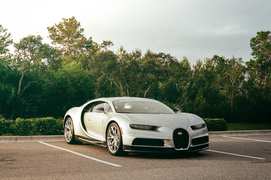
The central question remains: Can a brand built on the visceral scream of a V12 internal combustion engine (ICE) survive the transition to silent, battery-powered propulsion? According to industry analysts like RBC Capital’s Tom Narayan, the answer isn’t found in global sales volume, but rather in a specific, nuanced “magic number.”
The Profitability Paradox of Luxury EVs
The modern automotive industry faces an uncomfortable reality: high-end electric vehicles (EVs) are notoriously difficult to turn a profit on. Unlike mass-market brands that benefit from economies of scale, luxury boutique manufacturers are battling the crushing weight of high research and development costs coupled with the slow adoption rates of luxury EV technology.
We saw this play out in 2025 with Porsche, whose operating margins took a severe hit as they navigated the transition to electric architectures. Factors like supply chain instability, tariffs, and fluctuating demand in key markets like China have turned profit sheets red. Ferrari, however, currently stands as the most profitable luxury brand globally. Their ability to maintain this status while pivoting to the “Luce” will be the ultimate test of their brand equity.
The Magic Number for Ferrari’s Electric Future
The “magic number” suggested by analysts is between 500 and 1,000 units per year.
To the casual observer, this might seem like a small figure—a rounding error in the world of automotive manufacturing. However, for a ultra-luxury exotic brand, this is the sweet spot. By limiting production to this range, Ferrari effectively preserves exclusivity, manages battery supply chain costs, and ensures they do not over-saturate the market for their new electric supercar.
If Ferrari can consistently find 500 to 1,000 buyers annually for the Luce, they effectively validate the business case for an electric supercar. It is a volume that doesn’t require the massive infrastructure of a mass-production EV plant, allowing the company to retain its boutique, high-margin status while dipping its toes into the electric waters.
Market Realities and the “Luce” Factor
Why is this number so significant? Because the luxury performance sector is not immune to the cooling demand affecting the broader EV market. Leaders like Mate Rimac and Lamborghini’s CEO, Stephan Winkelmann, have been vocal about the hesitation among the ultra-wealthy to fully embrace electrification.
Ferrari’s advantage lies in its fanatical collector base. Unlike a standard electric commuter vehicle, which suffers from rapid depreciation, a limited-run Ferrari EV is likely to be viewed as a historical milestone. Collectors aren’t buying the Luce just for the battery range or charging speed; they are buying a piece of history—the first-ever electric chapter of the Prancing Horse.
The Broader Economic Context: High-End Automotive Trends
For investors and enthusiasts tracking the sector, the performance of the Luce will dictate the trajectory of luxury mobility through 2030. We are currently seeing high-CPC keywords like “luxury EV investment” and “exotic car depreciation rates” trending as stakeholders attempt to hedge their bets.
Luxury automotive manufacturers are now forced to navigate a “bimodal” reality:
The Combustion Core: Continued investment in synthetic fuels and high-performance hybrids to appease the purists.
The Electric Frontier: Carefully measured, low-volume EV launches to satisfy regulatory pressures without eroding brand value.
Ferrari’s strategy seems to be the latter. By setting a low-volume target, they are essentially insulating themselves from the demand shocks that have crippled other manufacturers.
Why Scalability is Secondary to Brand Integrity
In the world of supercars, scale is often the enemy of desirability. Tesla’s experience with the Cybertruck—where a massive surge in demand led to logistical headaches and disillusioned customers—serves as a cautionary tale. While Tesla aimed for mass-market impact, Ferrari is playing a game of precision.
When you purchase an exotic vehicle, you aren’t just paying for the drivetrain; you are paying for the brand’s ability to maintain scarcity. If Ferrari were to scale the Luce to 5,000 units annually, they would risk the exact depreciation issues plaguing other premium electric offerings. By keeping production to that “magic number” of 500-1,000 units, they ensure that every car delivered is a collector’s item the moment it rolls off the assembly line in Maranello.
Final Thoughts for the Future-Focused Collector
As we look toward the official unveiling of the Luce, the primary takeaway for the market is clear: the success of a luxury EV in 2026 is no longer measured by how many units are sold, but by the brand’s ability to remain exclusive while innovating.
Ferrari isn’t trying to change the world of transportation; they are trying to redefine what a “Ferrari” means in the post-combustion era. If you are looking to position your collection for the next decade of automotive evolution, keep a close eye on the production figures of these initial electric runs. Scarcity, as always, will be the final arbiter of value.
Are you prepared to see how the landscape of performance driving shifts as we approach this new frontier? Contact our expert advisory team today to discuss how these shifts in luxury automotive strategy might impact your next major acquisition.