
The Ferrari EV Pivot: Cracking the Code to Sustainable Performance
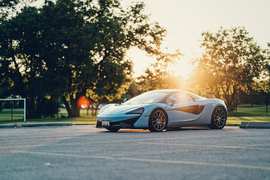
In the high-stakes arena of automotive manufacturing, Ferrari has consistently occupied a position of unrivaled prestige. While the broader automotive landscape faces a precarious shift toward electrification, the Prancing Horse has signaled its intent to join the fray with its upcoming electric supercar. Amidst a wave of industry caution, the question remains: Can Ferrari successfully translate its iconic internal combustion heritage into a high-performance electric vehicle (EV) without diluting its brand equity?
As someone who has tracked automotive market trends and luxury vehicle development for over a decade, I’ve seen countless manufacturers struggle to balance profitability with the transition to zero-emissions technology. Industry analysts are currently pointing to a specific “magic number” that could define Ferrari’s success in this uncharted territory.
The Profitability Paradox of High-End EVs
The automotive industry is currently grappling with a sobering reality: electric vehicles are historically difficult to make profitable. While mass-market EV sales show a steady upward trajectory, the high-end luxury segment is experiencing a cooling effect. Demand for ultra-expensive electric models has failed to meet the aggressive growth projections set by many boards of directors just a few years ago.
For legacy manufacturers—brands with deep roots in traditional engineering and massive overhead—the transition is particularly painful. We witnessed this in 2025 when a prominent luxury peer saw operating profits plummet by 99 percent over nine months. This was driven by a combination of global supply chain tariffs, stagnant demand in the Chinese market, and, fundamentally, the higher cost of EV battery production. Ferrari, currently the most profitable luxury brand globally, is now looking at these data points as a roadmap for what to avoid.
The Magic Number for Ferrari’s Success
Tom Narayan, a respected analyst at RBC Capital, recently offered a pragmatic outlook on Ferrari’s strategic approach. Despite the hesitation shown by other performance-oriented CEOs—who have openly questioned the appetite for electric supercars—Ferrari is pressing forward with the project currently codenamed “Luce.”
The logic here is rooted in market segmentation rather than volume chasing. According to Narayan, the magic number Ferrari must reach is an annual sales target of between 500 to 1,000 electric units.
This figure is critical for a few reasons:
Exclusivity: By keeping production within this range, Ferrari maintains the scarcity that drives its brand desirability.
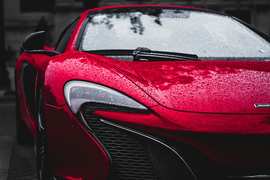
Financial Viability: At this scale, the high R&D costs associated with proprietary electric drivetrains can be amortized across a smaller, high-margin customer base, mirroring the model currently used for their limited-run hypercars.
Market Penetration: Targeting 500 to 1,000 buyers per year is not a “Herculean task” for a brand with the global influence and loyal collector base of Ferrari.
By aiming for this sweet spot, Ferrari avoids the trap of mass-market EV production, which often leads to rapid depreciation—a significant issue in the high-end sector. If Ferrari can offer an electric supercar that delivers the visceral thrill of its V12 predecessors while maintaining that exclusive 1,000-unit ceiling, the brand is well-positioned to lead the transition into the electric era without sacrificing its bottom line.
Balancing Innovation and Heritage
The challenge for Ferrari is not just the battery technology or the software; it is the “soul” of the car. Performance enthusiasts have been notoriously skeptical of silent electric power. However, Ferrari has a long history of integrating groundbreaking technology—from KERS in Formula 1 to the sophisticated hybrid systems in the SF90—successfully.
The upcoming electric model will likely be the ultimate test of their brand’s resilience. Can they justify a luxury EV price point that rivals their best combustion models? If their history is any indication, they will likely rely on their superior chassis dynamics and aerodynamic design to compensate for the weight of battery packs.
Investing in the Future of Automotive Performance
For investors and enthusiasts alike, the coming years will be a period of significant volatility. Whether we are discussing the long-term viability of luxury EVs or the broader shifts in sustainable performance, the common thread is that agility and brand positioning are more important than ever.
As we look toward 2026 and beyond, the focus will remain on how luxury houses manage the supply-demand balance. Companies like Ferrari, Tesla, and others are currently defining the future of transport, moving beyond simple horsepower metrics to focus on software integration and sustainable profitability.
If you are following the evolution of high-performance vehicles or looking to understand the financial implications of the current automotive market shift, staying informed is key. The luxury EV market is entering a phase of maturity where only the brands that prioritize scarcity and quality will survive the transition.
Are you prepared to navigate the shift in automotive technology as these iconic brands transform their lineups? Keep a close eye on the latest developments in luxury EV production and subscribe to our expert insights to ensure you stay ahead of the curve as the industry evolves. Don’t let the future of performance pass you by—stay connected with our latest market analyses today.