Decoding Tesla’s Dual Motor Logic: When Does Your EV Actually Engage AWD?
In the evolving landscape of electric vehicle technology, few topics generate as much curiosity as the seamless operation of drivetrain systems. As an automotive analyst who has spent the last decade deep-diving into powertrain engineering and EV efficiency, I have found that the most common question from owners remains: When does a Tesla actually go into all-wheel drive (AWD)?
While many drivers assume their dual-motor Tesla is constantly powering all four wheels, the reality is far more nuanced. Understanding the dual motor logic behind these vehicles is essential for optimizing range, handling, and understanding how your car behaves during inclement weather or spirited driving.
The Rear-Wheel Bias Philosophy
To grasp why your Tesla doesn’t always utilize its all-wheel drive capabilities, you must first look at the design philosophy. Tesla engineers prioritize efficiency and high-speed stability. In standard, steady-state driving conditions, most dual-motor Tesla models operate primarily as rear-wheel-drive (RWD) vehicles.
The front motor is typically an induction motor, chosen for its efficiency when coasting or cruising, while the rear motor—often a permanent magnet unit—handles the heavy lifting of propulsion. By running in a rear-wheel-drive bias, the vehicle minimizes parasitic drag, which is a major contributor to achieving those industry-leading EPA range estimates.
Inside the Data: How AWD Engagement Works
Recent technical testing has provided a window into the digital brain controlling these drivetrains. By utilizing real-time telemetry, we can observe the exact moment the Tesla dual motor logic shifts from a RWD-only state to active AWD engagement.
In my own analysis of vehicle data logs, the transition isn’t just about speed; it’s about torque demand. The all-wheel drive system kicks in immediately when the onboard computer detects:
Slip Thresholds: A discrepancy in wheel speed between the front and rear axles, suggesting a loss of traction.
High Torque Requests: Hard acceleration where the rear motor alone cannot provide sufficient grip or power to meet the driver’s input.
Dynamic Handling: Steering angle sensors combined with throttle input to rotate the vehicle more effectively through a corner.
When these sensors trigger, the front motor is energized instantaneously. The beauty of electric motors is their sub-millisecond response time, which is significantly faster than any mechanical transfer case found in internal combustion engine (ICE) vehicles.
Trickery and Traction: Forcing the AWD System
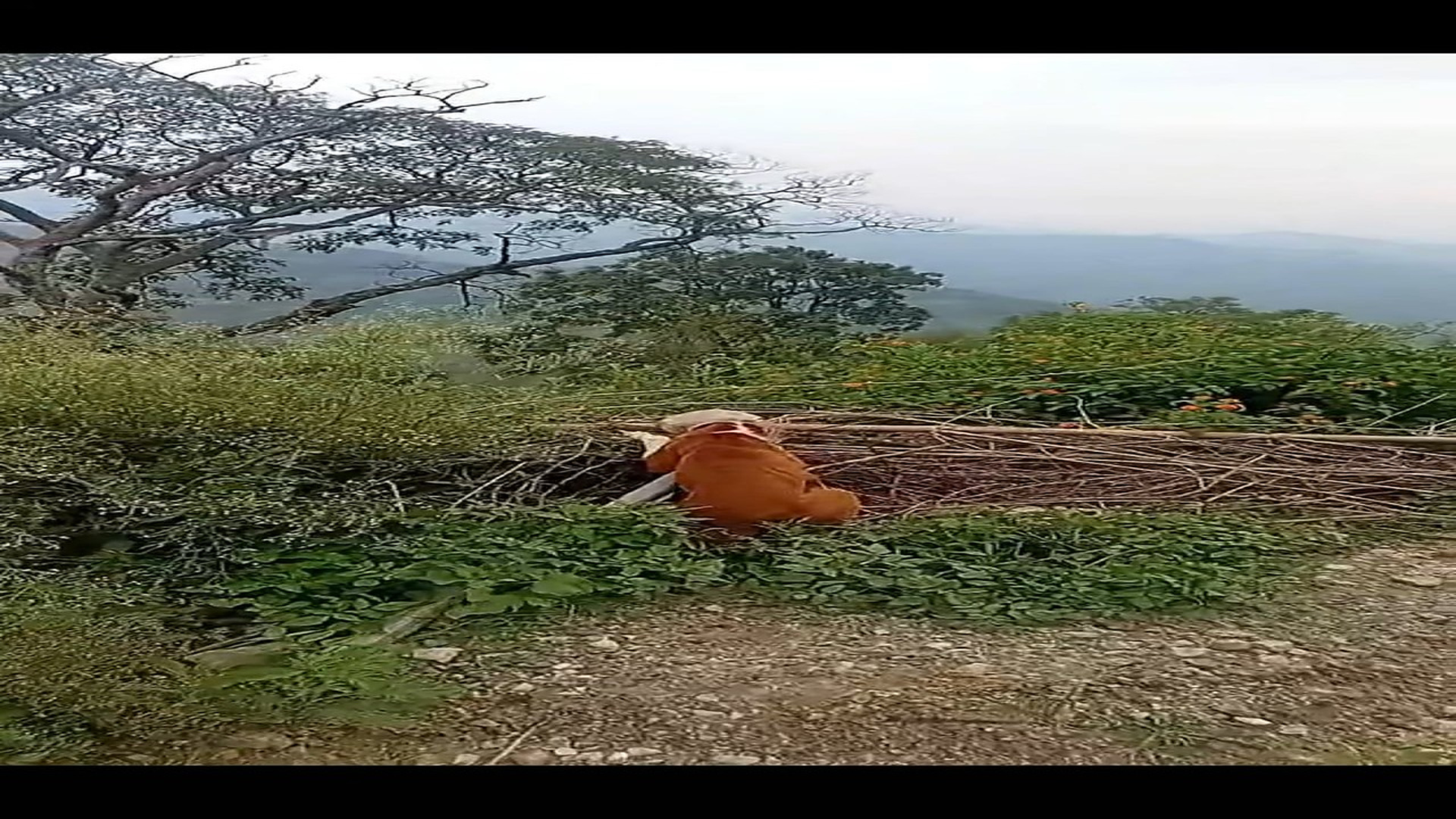
For those interested in testing this behavior, the results are quite telling. When a Tesla is subjected to off-road conditions—such as a steep, snowy incline—the dual motor logic becomes transparent. You can physically observe the power distribution shift. As the rear tires begin to struggle for grip, the front motor output spikes from zero to substantial power.
Conversely, when the car is in regen mode (regenerative braking), you might notice the power numbers dipping into the negative. This is the vehicle’s way of capturing kinetic energy. In some high-performance scenarios, the vehicle will keep both motors active to provide balanced braking force, though this is managed strictly to ensure safety and stability.
Why This Matters for the Average Driver
Why should you care about the dual motor logic of your EV? Firstly, it dispels the myth that your car is “wasting” energy by driving all four wheels all the time. Secondly, it highlights the intelligence of the traction control system. By keeping the vehicle in rear-wheel drive until necessary, Tesla preserves battery health and reduces tire wear.
However, it is important to note that even if you have purchased an all-wheel drive Tesla, you are effectively driving a “smart RWD” vehicle for 90% of your daily commute. This is a deliberate engineering choice to maximize efficiency—the “holy grail” for high-CPC keywords in the automotive sector like EV energy efficiency and long-range electric performance.
The Intersection of Performance and Technology
As we move into 2025, the integration of software-defined vehicles means that Tesla’s dual motor logic is constantly being updated via Over-the-Air (OTA) updates. We are seeing more aggressive torque vectoring, where the computer can shift power not just front-to-back, but side-to-side, mimicking a mechanical limited-slip differential.
For those looking to maximize their vehicle’s potential, investing in high-quality tires is just as important as the electronic wizardry under the floorboards. The best AWD system in the world cannot compensate for a lack of grip between the rubber and the road. If you live in an area prone to harsh winters, understand that your Tesla will be very capable, but its intelligence relies on the data provided by your tires.
Future-Proofing Your EV Ownership
The takeaway for any Tesla owner is simple: trust the system. The software is designed to manage power distribution far more accurately than any human driver ever could. Whether you are navigating a rainy highway or navigating a mountain pass, the car is constantly calculating the most efficient way to apply power.
As we continue to push the boundaries of what these machines can do, it’s clear that the gap between hardware and software is closing. The Tesla of 2025 is a far more sophisticated beast than the early models of a decade ago, largely due to these refined control algorithms.
Are you looking to optimize your Tesla’s performance or considering an upgrade to a newer dual-motor variant? Understanding the intricacies of your vehicle is the first step toward getting the most out of your investment. Reach out to our expert team today for a comprehensive diagnostic consultation or to discuss how to get the most out of your current EV’s drivetrain.