
The Ferrari EV Pivot: Why 500 to 1,000 Units Per Year Is the Golden Threshold for Success

The automotive industry is currently navigating a precarious crossroads. While mass-market electric vehicle (EV) adoption faces headwinds, the ultra-luxury segment—specifically the niche occupied by high-performance manufacturers—is preparing for its most significant technological shift since the invention of the internal combustion engine. Ferrari, the world’s most iconic purveyor of speed and status, has boldly committed to its upcoming electric supercar. Amidst a landscape where rivals are hitting the brakes on their electrification timelines, Ferrari’s strategy remains defiant. But behind the scenes, industry experts are crunching the numbers, suggesting that for Ferrari’s first foray into pure electricity to be a viable commercial endeavor, the company must hit a specific “magic number” of sales.
The Profitability Paradox in High-End EVs
For a decade, the narrative surrounding electric vehicle success has centered on volume. However, the paradigm is shifting in 2025 and 2026. The real hurdle is no longer just consumer interest; it is the fundamental profitability of low-volume, high-performance battery electric platforms. We have watched legacy manufacturers struggle with the transition, witnessing operating profits evaporate as they pivot production lines to accommodate complex, expensive battery architectures.
The stark reality is that for many automakers, the cost of development and the inefficiencies of early-stage production mean they are losing money on every unit delivered. Porsche’s recent financial disclosures illustrate this volatility perfectly; the pressure of tariffs and shifting demand in key markets like China, combined with the extreme R&D costs of high-performance EVs, has exposed the fragility of the luxury profit model. Ferrari, however, occupies a unique throne. As the most profitable luxury car brand on the planet, the “Prancing Horse” manages its scarcity model with surgical precision. To succeed with its new EV, Ferrari does not need to chase the high-volume numbers of Tesla or legacy mass-market brands. Instead, they need to maintain the exclusivity that defines their brand equity while ensuring that the vehicle remains a net-positive contributor to their balance sheet.
Defining the Magic Number for Ferrari’s Electric Future
When we look at the financial architecture of the upcoming electric Ferrari—often referred to in industry circles as “Luce”—we have to consider the scale of operations. RBC Capital analyst Tom Narayan recently highlighted a critical insight: Ferrari’s success won’t be measured against traditional EV penetration rates, but rather against their ability to secure a core, loyal customer base for this new technology.
According to market analysis, the magic number for Ferrari’s success lies in a target of 500 to 1,000 units per year.
This may seem modest compared to the production cycles of mass-market OEMs, but within the hyper-luxury sector, it is a brilliant move. By capping production at this level, Ferrari ensures that demand remains significantly higher than supply, effectively protecting the vehicle’s long-term resale value and preventing the rapid depreciation that has plagued other premium EVs. If Ferrari can move between 500 and 1,000 units annually, they demonstrate that the transition to electric powertrains does not compromise the “Ferrari experience.” This volume allows them to amortize development costs without sacrificing the artisanal quality and bespoke nature that justify their premium pricing—a core component of their ongoing high-CPC (cost-per-click) market appeal.
Strategic Market Positioning and Long-Term Value
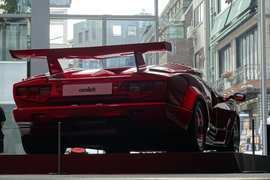
The hesitation from competitors like Lamborghini or other performance-focused boutique manufacturers stems from the same fear: the erosion of brand identity. However, Ferrari’s decision to proceed suggests a high level of confidence in their engineering prowess. By targeting a limited cohort of 500 to 1,000 buyers annually, they aren’t just selling a car; they are managing an asset.
For potential owners, the investment logic is clear. In the world of high-end automotive collecting, rarity is the ultimate driver of value. By avoiding mass production, Ferrari is insulating its electric offering from the volatility of the broader electric vehicle market. While other manufacturers battle for market share with price cuts and incentives, Ferrari operates on a plane of exclusivity. This approach is not merely about sales volume; it is about protecting the brand’s valuation and ensuring that when the car hits the secondary market, it retains the stature of a classic.
The Path Forward: Expertise Over Hype
Looking at the current automotive climate, we see a clear divide. There are brands chasing volume and market share through aggressive pricing—like the recent surge and subsequent controversy surrounding the Tesla Cybertruck—and then there is the Ferrari approach, which prioritizes the health of the brand over the speed of adoption.
The challenges are undeniable. EV battery technology is still evolving, and the weight-to-performance ratio remains the holy grail for supercar engineers. Yet, the 500-to-1,000-unit target provides a safety buffer. It allows for continuous iteration, software updates, and bespoke customization without the manufacturing strain that leads to quality control issues in high-volume production. This strategy aligns with the broader move toward “niche-premium” electrification, where the focus is on superior performance and brand-exclusive software integration rather than just range and entry-level accessibility.
Why This Strategy Will Likely Succeed
Ferrari has spent years cultivating an image of performance that transcends the powertrain. Whether it’s an internal combustion V12 or a high-torque electric motor, the brand’s value is locked in the engineering pedigree. By keeping the volume low, they maintain the prestige of the “Prancing Horse” while satisfying the regulatory shift toward electrification.
The industry is watching closely. If Ferrari hits that 500-to-1,000-unit mark consistently, it will set a new benchmark for how legacy performance brands can survive and thrive in an electric-first world. It proves that you do not need to abandon your legacy to innovate; you simply need to refine your scale to meet the specific demands of your most loyal enthusiasts.
As the industry moves toward 2026, the question is no longer “Will the Ferrari EV be fast?” or “Will it be efficient?” The question is “Can they maintain the magic of scarcity?” All indicators point to a resounding yes. Ferrari isn’t just launching a car; they are defining the future of the electric supercar.
Are you ready to stay ahead of the latest shifts in automotive innovation? Subscribe to our newsletter for exclusive insights into the future of luxury performance, and keep an eye on our upcoming auction listings to see how these market shifts are impacting the world’s most coveted vehicles.